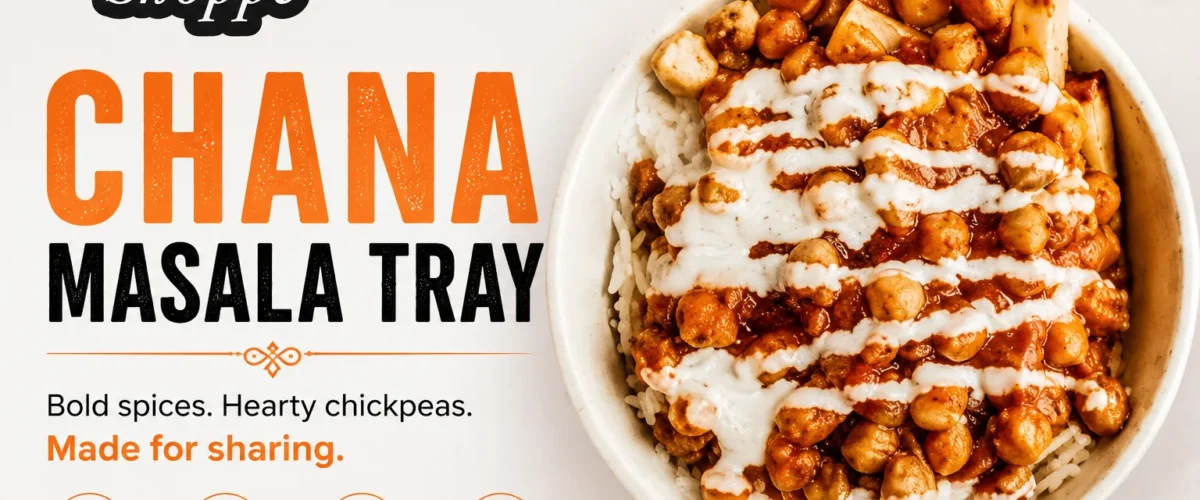
Best Chana Masala Tray in Pickering, Whitby, Oshawa & Brampton

Why Everyone Is Talking About Our Chana Masala Tray
Imagine gathering your loved ones around the table and unveiling a steaming tray of golden chickpeas swimming in a rich, spiced tomato gravy that fills the room with an irresistible aroma. That is exactly the experience waiting for you at The Kabab Shoppe with our legendary Chana Masala Tray. Whether you are hosting a family dinner in Pickering, celebrating a milestone in Whitby, or ordering late-night comfort food in Oshawa, this dish has become the go-to halal crowd-pleaser across the Durham Region. At just $39.99, it delivers restaurant-quality flavor at a price that feeds an entire family without breaking the bank. Keep reading to discover what makes this dish a customer favorite, how to order it, and why it belongs at your next gathering.
The Chana Masala Tray is more than just a meal — it is a centerpiece that brings people together. Rooted in traditional South Asian and Afghan cooking techniques, our chefs slow-cook premium chickpeas in a carefully crafted blend of cumin, coriander, turmeric, garam masala, and other aromatic spices. The result is a dish that balances heat, tang, and earthiness in every spoonful. Served with your choice of base — whether you prefer fluffy basmati rice, fresh garden salad, or crispy fries — and topped with garlic sauce and hot sauce for the perfect finishing touch, it is an experience that satisfies vegetarians and meat-lovers alike.
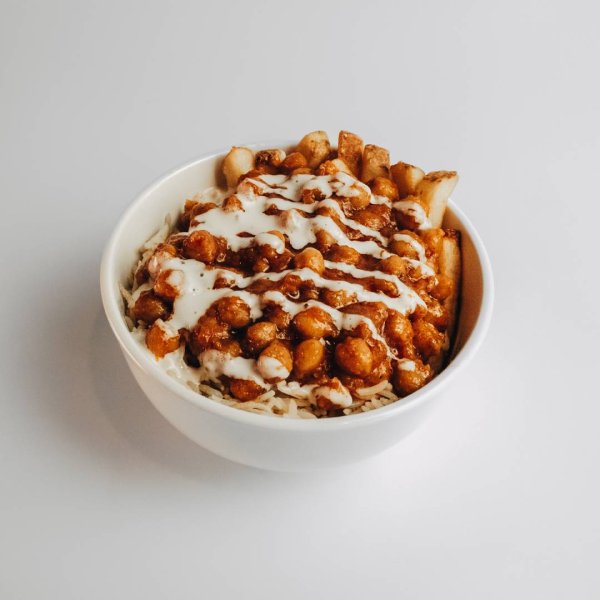
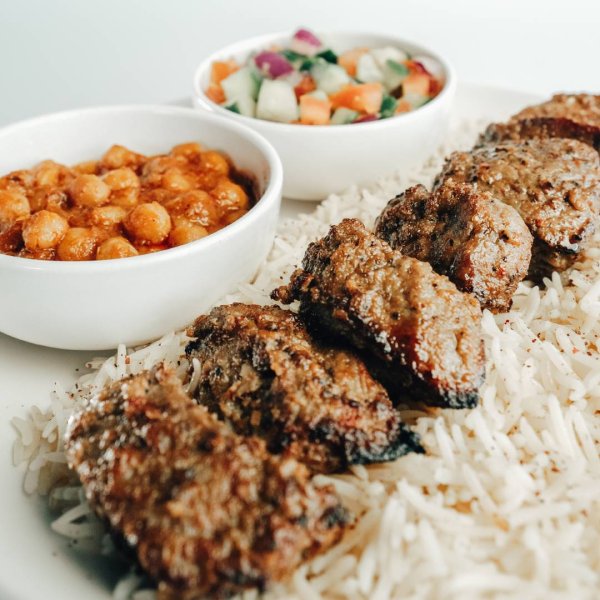
Our signature Chana Masala Tray — $39.99 — a family-size feast of chickpeas in rich spiced tomato gravy
What Makes the Chana Masala Tray a Bestseller?
There are plenty of places to find chickpea curry in Ontario, but finding one that uses 100% halal-certified ingredients, freshly ground spices, and locally sourced produce is a different story. At The Kabab Shoppe, our Chana Masala Tray stands apart because we never take shortcuts. Every batch is made from scratch daily in our kitchens across Pickering, Whitby, Oshawa, and Brampton, ensuring the flavors are vibrant, the texture is perfect, and the gravy has that slow-cooked depth you simply cannot replicate with pre-made sauces. Our commitment to quality means you taste the difference from the very first bite.
What truly sets this dish apart is its incredible versatility. The Chana Masala Tray works beautifully as a family dinner on a busy weeknight, as the star of a potluck or office lunch, or as part of a larger catering spread for weddings and corporate events. It is fully vegetarian and naturally gluten-free (when paired with rice), making it an inclusive option for guests with dietary preferences. The generous portion size at $39.99 means you are getting exceptional value — especially compared to ordering individual plates for a group.
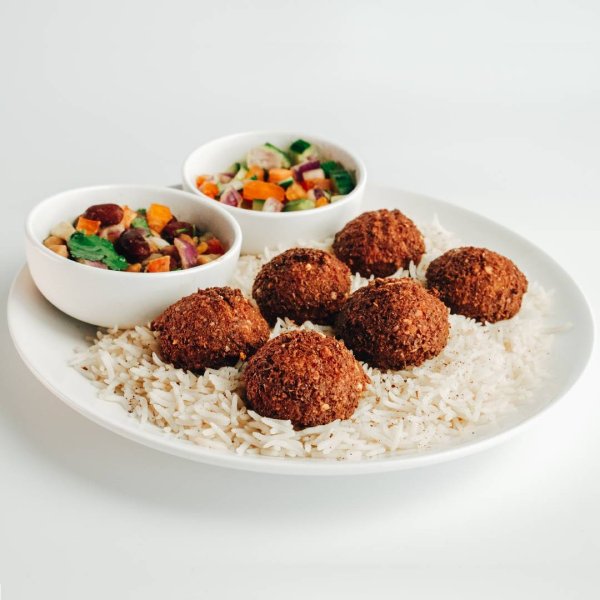
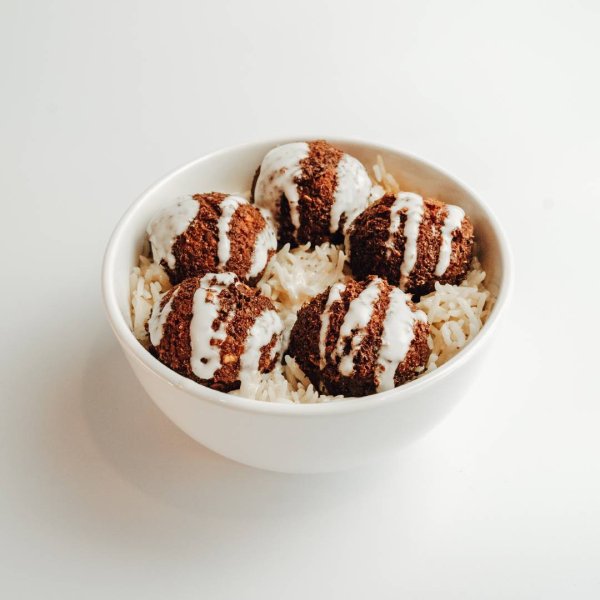
Our Falafel Plate — another popular vegetarian option that pairs perfectly with Chana Masala
100% Vegetarian
Made with premium chickpeas and plant-based ingredients
Certified Halal
All ingredients are 100% halal-certified
Family-Size Tray
Generous portions that feed 4–6 people easily
Made Fresh Daily
Cooked from scratch with locally sourced spices
Inside the Tray: Ingredients That Make the Magic

Every ingredient in our Chana Masala is carefully selected for authentic flavor — vegetarian, 100% halal certified, and made fresh daily
The heart of any great Chana Masala lies in the quality of its spices and the patience of its preparation. Our kitchen team at The Kabab Shoppe uses a signature spice blend that includes roasted cumin seeds, ground coriander, Kashmiri red chili, turmeric, amchur (dried mango powder), and freshly ground garam masala. The chickpeas are soaked overnight and simmered in a base of hand-crushed tomatoes, sautéed onions, ginger, and garlic until the gravy thickens and every chickpea absorbs the full spectrum of flavors. This is the kind of slow-cooked authenticity that sets halal restaurants apart from fast-food alternatives.
From a nutritional standpoint, the Chana Masala Tray is one of the healthiest options on our menu. Chickpeas are an excellent source of plant-based protein, dietary fiber, iron, and B vitamins, making them ideal for anyone looking for a nutritious yet satisfying meal. The dish is naturally dairy-free and can be paired with our regular naan or garlic naan for a more indulgent experience. Whether you are following a vegetarian diet, looking for high-protein halal food, or simply craving something deeply flavorful, this tray checks every box.
| Feature | Details |
|---|---|
| Price | $39.99 (Family Tray) |
| Serves | 4–6 people |
| Protein Source | Premium chickpeas (plant-based) |
| Dietary Info | Vegetarian · Halal · Dairy-Free · Gluten-Free (with rice) |
| Base Options | Rice, Salad, Fries, or any combination |
| Sauces Included | Garlic sauce + Hot sauce |
| Availability | All locations · Dine-in & Pickup |
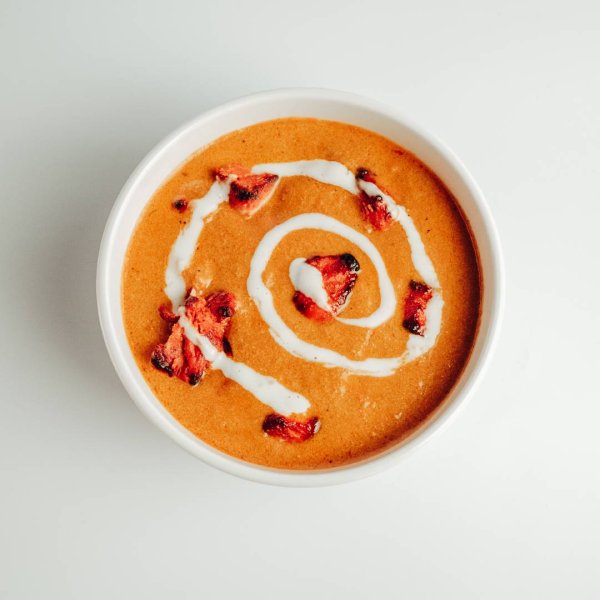
Our Butter Chicken ($18.99) — another crowd-favorite that pairs beautifully with the Chana Masala Tray
How to Order the Chana Masala Tray Online
Ordering your Chana Masala Tray from The Kabab Shoppe has never been easier. You can place your order directly through our online ordering platform, powered by Clover, which allows you to choose your preferred location — Pickering, Whitby, Oshawa, or Brampton — customize your base and sauces, and select pickup. The entire process takes less than two minutes, and you can track your order in real time. For those who prefer ordering on the go, choose a pickup location from the locations page or pickup selector for an even smoother experience.
One of the best parts of ordering through our website is access to the Kabab Shoppe Loyalty Program. The previous mobile-app loyalty promotion has been retired; contact your selected location for current offers.
What to Pair With Your Chana Masala Tray
While the Chana Masala Tray is satisfying on its own, pairing it with other items from our full menu takes the experience to the next level. For a balanced spread, consider adding a side of our freshly baked garlic naan ($2.99), a plate of crispy vegetable samosas ($4.99 for 6 pieces), or our signature Middle Eastern lentil soup ($4.99) as a warm starter. If your group includes meat-lovers, the Mix Grill for Two ($34.99) or a Shish Kabab Tray ($44.99) pairs perfectly alongside the Chana Masala for a feast that covers every taste.

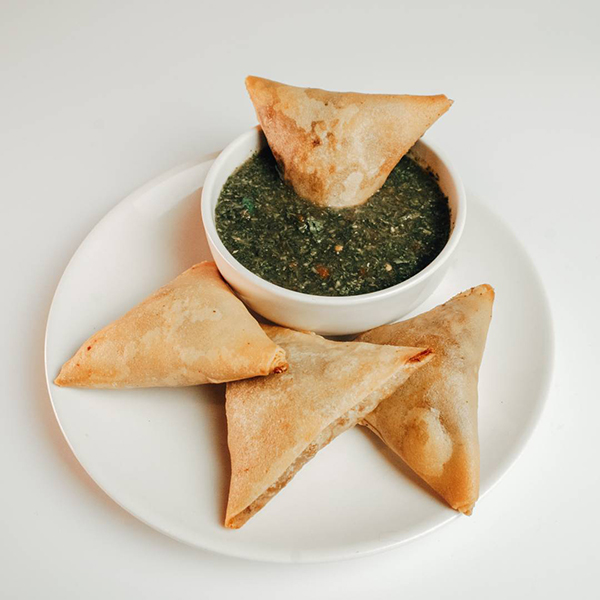
Left: Mix Grill for Two ($34.99) · Right: Chicken Samosas ($5.99) — perfect pairings for your Chana Masala spread
Recommended Pairings for the Perfect Spread
- Garlic Naan ($2.99) — Warm, buttery bread that is perfect for scooping up the rich tomato gravy
- Vegetable Samosas ($4.99) — Crispy pastry filled with spiced potatoes, ideal as a starter
- Lentil Soup ($4.99) — A comforting Middle Eastern-style soup to start the meal
- Mango Milkshake ($5.99) — A cool, creamy contrast to the warm spices of the chana masala
- Gulab Jamun ($2.99) — Soft, sweet fried dough balls soaked in syrup for dessert
- Firnee ($3.99) — Traditional ground-rice pudding with almonds and pistachios
Don't Miss Our Daily Specials and Current Promotions
At The Kabab Shoppe, value goes beyond the Chana Masala Tray. We run daily specials every day of the week, so there is always a reason to order. From Monday's discounted chicken wraps at $6.99 to Wednesday's butter chicken bowl for just $12.00 and the weekend promotion of a free appetizer with any family platter, our deals are designed to reward loyal customers and welcome new ones. These specials are available for both dine-in and online orders, making it easy to enjoy halal food at unbeatable prices anywhere in Pickering, Whitby, Oshawa, or Brampton.
| Day | Special | Price |
|---|---|---|
| Monday | Chicken Wraps (Tandoori or Chicken Breast) | $6.99 |
| Tuesday | 2 Chicken Kabab Meals | $22.00 |
| Wednesday | Butter Chicken Bowl | $12.00 |
| Thursday | Classic Chicken Bowl | $9.99 |
| Fri – Sun | Free Appetizer with Family Platter | On the house |
Be sure to also check out our current promotions page for limited-time holiday offers and seasonal deals. Whether it is Ramadan, Eid, Canada Day, or a long weekend, we frequently roll out special combos and discounts that make feeding a crowd both affordable and delicious. Follow us on Instagram, Facebook, and X (Twitter) to stay updated on the latest offers.
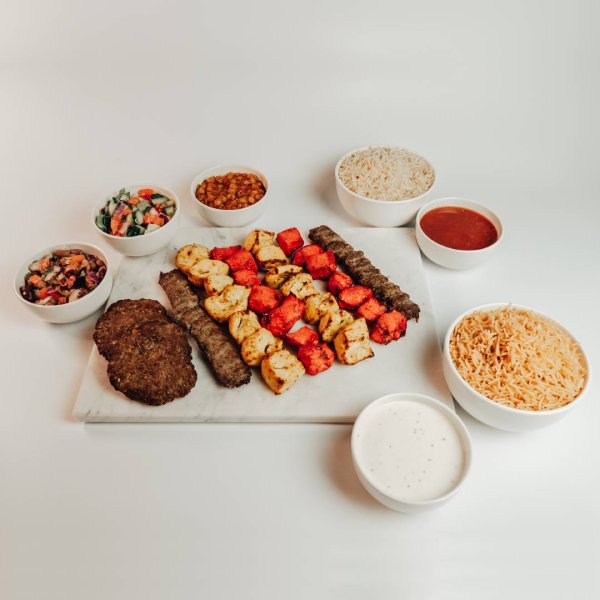
Our Kabab Platter 2 ($69.99) — order any family platter on weekends and get a free appetizer!
Find Us Near You — Our Locations Across the GTA
The Kabab Shoppe is proud to serve the Durham Region and beyond with four active locations and a Brampton now open. Whether you are searching for "halal food near me," "best chana masala in Pickering," or "Afghan restaurant in Oshawa," we are right around the corner. Every location offers the same menu, the same quality, and the same commitment to freshly made, locally sourced halal food. Late-night cravings are no problem either — our Pickering and Oshawa branches stay open until 3:00 AM on select nights.
📍 Pickering
1450 Kingston Road
Pickering, ON L1V 1C1
Hours: Sun–Wed 11am–9pm
Thu–Sat 11am–3am
📍 Whitby
1017 Dundas Street East
Whitby, ON L1N 2K4
Hours: Sun–Thu 11am–10pm
Fri–Sat 11am–11pm
📍 Brampton
2880 Queen St E, Unit 10
Brampton, ON L6S 6EB
Hours: Sun–Sat 11am–3am
Coming SoonFor directions to any of our locations, visit our Locations page where you will find Google Maps links, phone numbers, and hours for each branch. You can also call us directly at 289-288-5857 for inquiries, large orders, or to reserve our food truck.
Catering & Food Truck — Chana Masala for Your Next Big Event
Planning a wedding, corporate event, birthday party, or community gathering? The Kabab Shoppe's halal catering service makes it effortless to feed large groups with the same quality and flavor we serve in-restaurant. Our Chana Masala is available as part of all three catering packages, and it pairs beautifully with tandoori chicken, shish kabab skewers, butter chicken, rice, naan, and traditional desserts like firnee and gulab jamun. With a minimum of just 25 people, catering starts at an incredibly affordable $12.49 per person — making it one of the best-value halal catering options in the Greater Toronto Area.
Want something even more memorable? Rent our fully equipped food truck and bring The Kabab Shoppe experience directly to your event location. Our food truck comes with a complete kitchen, allowing our team to cook everything fresh on-site — from chana masala and butter chicken to shish kababs and samosas. It is perfect for outdoor events, festivals, office parking lot parties, and graduation celebrations. The interactive dining experience turns your event into something truly special, and we offer custom menus tailored to your specific needs. Contact us at 289-288-5857 or visit our catering page to get a custom quote.

Our fully equipped food truck — book it for your next event and enjoy freshly cooked halal food on-site
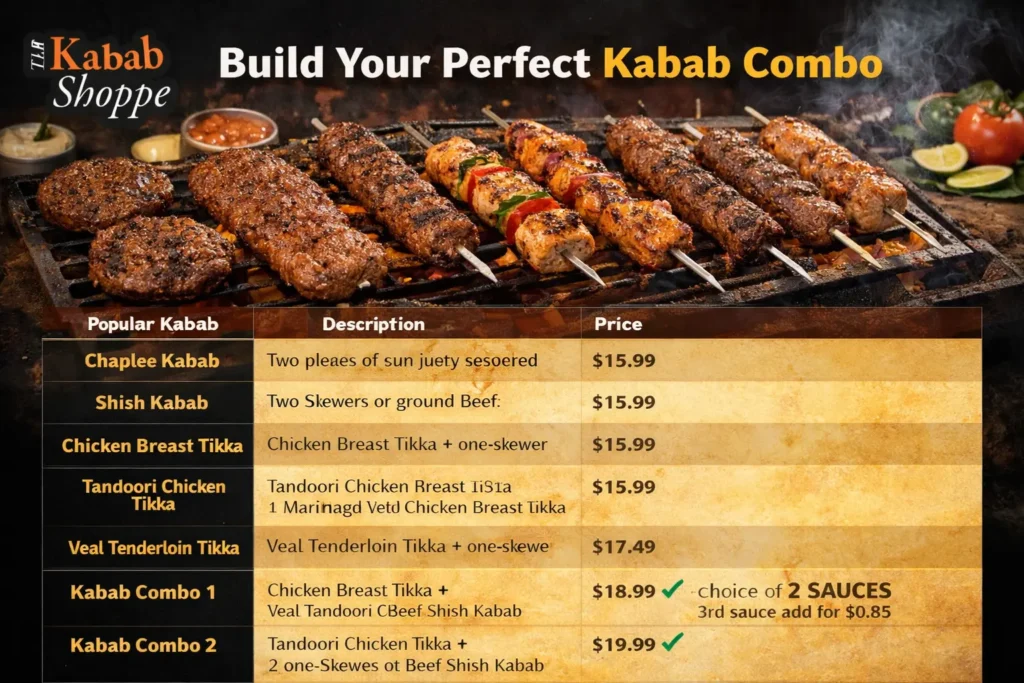
Beyond Chana Masala — Explore Our Halal Burgers & More
While the Chana Masala Tray is a fan favorite, The Kabab Shoppe's menu is packed with other must-try items for every taste. Our halal burgers are a revelation — the Shish Kabab Burger ($8.49) features a freshly made ground beef patty topped with cheese, lettuce, tomato, onions, and our house burger sauce, while the Chaplee Kabab Burger brings a spicier kick with juicy beef marinated in herbs and spices. Upgrade any burger to a combo with fries and a drink for just $4.99 more. For a lighter option, our wraps — including tandoori chicken, chicken breast, shish kabab, and falafel — start at $7.49 and are perfect for a quick lunch.
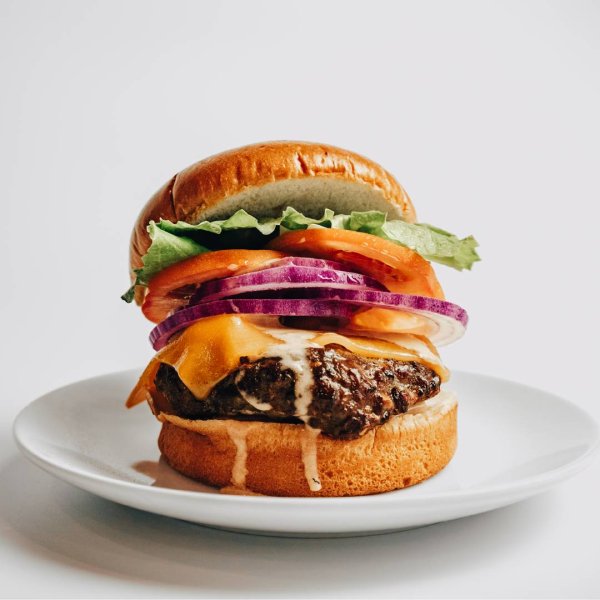
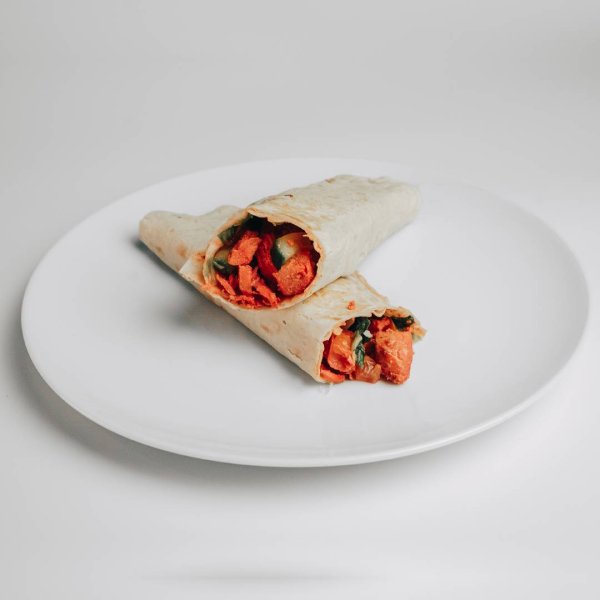
Left: Shish Kabab Burger ($8.49) · Right: Tandoori Chicken Wrap ($8.49) — more halal favorites from our menu
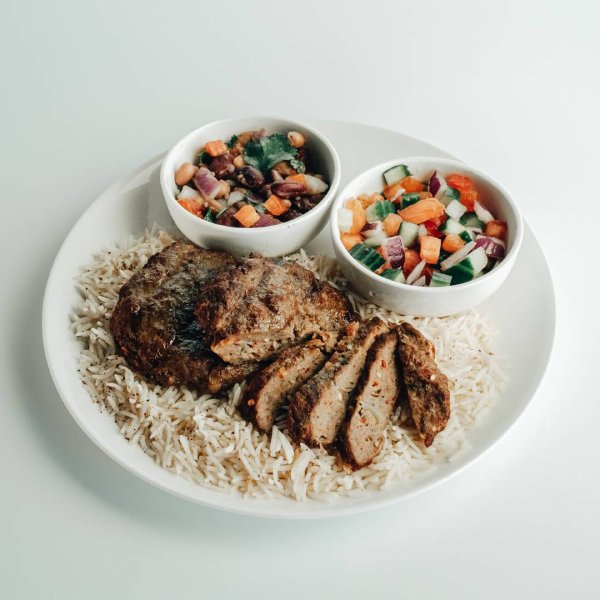
And if you are looking for a truly customizable experience, our Build Your Own Bowl concept lets you choose your protein (from falafel at $10.99 to veal tenderloin at $16.49), your base, and your sauce from seven options including our signature butter chicken sauce. It is the perfect way to create exactly the meal you are craving, with every ingredient freshly prepared and 100% halal certified. Explore the full menu here.
Frequently Asked Questions
Is the Chana Masala Tray suitable for vegetarians and vegans?
How many people does the Chana Masala Tray serve?
Can I order the Chana Masala Tray for pickup?
Is the Chana Masala Tray included in the catering packages?
How spicy is the Chana Masala? Can I adjust the heat level?
Ready to Taste the Best Chana Masala in the GTA?
Order your Chana Masala Tray now for pickup — or book our catering for your next event.
Order Online Now →Or call us at 289-288-5857 · Download our app on iOS or Android