Chaplee Kabab vs Shish Kabab

Chaplee Kabab vs Shish Kabab — What’s the Difference?

Craving sizzling, flavor-packed kebabs but not sure whether to order chaplee kabab or shish kabab? If you’ve ever stood in front of a menu wondering which one delivers the juiciest bite, you’re not alone. The debate around chaplee kabab vs shish kabab is common among food lovers exploring authentic Middle Eastern and South Asian cuisine. Both are iconic, both are delicious, and both deserve a spot on your plate. In this guide, we’ll break down the real differences so you can confidently choose—or better yet, try both at Kabab Shoppe.

What Is Chaplee Kabab?

When discussing chaplee kabab vs shish kabab, it’s important to start with the origins and preparation of chaplee kabab. Chaplee kabab, also spelled chapli kebab, is a popular street food from Pakistan and Afghanistan made from minced beef or mutton mixed with crushed spices, herbs, onions, tomatoes, and pomegranate seeds. The mixture is shaped into flat, round patties and shallow-fried until crispy on the outside and tender on the inside. Its bold seasoning and rustic texture make it stand out among traditional kababs. Often served with naan, raita, and fresh salad, chaplee kabab delivers a spicy, tangy flavor profile that’s hard to resist.

What truly sets chaplee kabab apart is its intense blend of spices and its pan-fried cooking method. Unlike skewered kebabs, chaplee kabab is not grilled over open flames but cooked on a flat pan, giving it a crisp outer crust. The texture is slightly crumbly yet juicy due to the added tomatoes and herbs. If you’re searching for authentic Pakistani chaplee kabab near you, you’ll likely find it listed as a specialty dish at top-rated kabab restaurants. It’s the perfect choice for those who love bold, aromatic flavors in every bite.

What Is Shish Kabab?

In the comparison of chaplee kabab vs shish kabab, shish kabab represents a completely different5 Different Types of Kababs You Need to Try blog image cooking tradition. The word “shish” means skewer in Turkish, and shish kabab refers to marinated cubes of meat threaded onto skewers and grilled over open flames. Typically made with lamb, chicken, or beef, the meat is marinated in olive oil, garlic, lemon juice, and aromatic spices before grilling. The result is a smoky, juicy kabab with a slightly charred exterior. It’s a staple in Middle Eastern, Mediterranean, and Turkish cuisine.

Shish kabab stands out because of its grilling technique and clean, savory flavor. The marinade tenderizes the meat while enhancing its natural taste rather than overpowering it with heavy spices. Served with rice, pita bread, grilled vegetables, and garlic sauce, it offers a balanced and wholesome meal. If you’re searching for the best shish kabab restaurant, look for places that grill fresh skewers to order. This kabab is ideal for diners who enjoy smoky, protein-rich dishes with a lighter spice profile.

Chaplee Kabab vs Shish Kabab: Key Differences

Understanding the difference between chaplee kabab and shish kabab helps you choose based on taste preference and dining experience. While both are popular kabab dishes, their ingredients, cooking methods, and flavor profiles vary significantly. Chaplee kabab is made from minced meat shaped into patties, whereas shish kabab uses cubed meat threaded onto skewers. One is pan-fried for crispiness, and the other is flame-grilled for smokiness. These distinctions influence texture, spice level, and presentation.

Quick Comparison Table

FeatureChaplee KababShish Kabab
OriginPakistan/AfghanistanTurkey/Middle East
Meat TypeMinced beef or muttonCubed lamb, chicken, or beef
Cooking MethodPan-friedGrilled on skewers
Flavor ProfileSpicy, tangy, boldSmoky, savory, mildly spiced
TextureCrispy outside, soft insideJuicy, tender, slightly charred

Flavor & Texture Breakdown

  • Chaplee Kabab

    • Bold spice blend

    • Crispy crust

    • Juicy, slightly crumbly interior

    • Tangy notes from tomatoes and pomegranate

  • Shish Kabab

    • Smoky grilled aroma

    • Tender meat chunks

    • Balanced marinade flavor

    • Clean, protein-forward taste

Which Kabab Should You Choose?

When deciding between chaplee kabab vs shish kabab, think about your flavor preference and meal style. If you love spicy street food with crispy edges and rich seasoning, chaplee kabab is your best bet. If you prefer smoky grilled meat with a lighter marinade, shish kabab may win your vote. Both options pair beautifully with naan, rice platters, and fresh salads. The good news? You really can’t go wrong.

For first-time kabab explorers, ordering both is a smart (and delicious) strategy. Sharing a platter lets you experience the contrast between pan-fried spice and flame-grilled smokiness. Many top-rated kabab restaurants offer combo platters that feature both varieties. If you’re searching for authentic chaplee kabab and shish kabab near me, choose a restaurant known for fresh ingredients and traditional preparation. Better yet, visit Kabab Shoppe and taste the difference yourself.

Final Verdict: Try Both at Kabab Shoppe

The debate over chaplee kabab vs shish kabab ultimately comes down to personal preference, but true food lovers know there’s room for both on the table. Chaplee kabab delivers bold spices and crispy texture, while shish kabab offers smoky tenderness and classic Mediterranean flavor. Each represents rich culinary heritage and time-honored cooking techniques. Exploring both expands your appreciation for global kabab traditions. Why settle for one when you can enjoy the best of both worlds?

Ready to satisfy your kabab cravings? Visit Kabab Shoppe today and indulge in authentic chaplee kabab and perfectly grilled shish kabab made fresh to order. Whether you’re dining in, ordering takeout, or searching for the best kabab restaurant near you, Kabab Shoppe serves quality, flavor, and tradition in every bite. Try both and discover your favorite.

FAQs

1. What is the main difference between chaplee kabab and shish kabab?

The main difference in chaplee kabab vs shish kabab lies in preparation and cooking method. Chaplee kabab is made from spiced minced meat shaped into patties and pan-fried until crispy. Shish kabab, on the other hand, consists of marinated meat cubes threaded onto skewers and grilled over open flames. This creates a smoky flavor and tender texture. Both offer unique tastes depending on your preference.

2. Which kabab is spicier: chaplee kabab or shish kabab?

Chaplee kabab is typically spicier due to its rich blend of crushed spices, herbs, chilies, and tangy ingredients like tomatoes and pomegranate seeds. Shish kabab usually features a milder marinade focused on garlic, lemon, and olive oil. If you enjoy bold, fiery flavors, chaplee kabab is the better choice. If you prefer a smoky and savory taste with lighter seasoning, shish kabab may suit you more. Spice levels can also vary by restaurant.

3. Is chaplee kabab healthier than shish kabab?

When comparing chaplee kabab vs shish kabab for health, the cooking method makes a difference. Chaplee kabab is pan-fried, which may contain slightly more oil. Shish kabab is grilled, allowing excess fat to drip away during cooking. For a leaner option, grilled shish kabab is often considered healthier, especially when paired with salad or grilled vegetables.

4. What is traditionally served with chaplee kabab and shish kabab?

Chaplee kabab is commonly served with naan, fresh salad, chutney, and yogurt-based raita. Shish kabab is typically paired with rice pilaf, pita bread, grilled vegetables, and garlic sauce. Both can be enjoyed as platters, wraps, or combo meals. Many restaurants offer family-style servings so you can sample multiple kabab varieties. Pairing them with fresh sides enhances the overall dining experience.

5. Where can I try authentic chaplee kabab and shish kabab near me?

If you’re searching for authentic chaplee kabab vs shish kabab options, choose a restaurant known for traditional recipes and fresh ingredients. Look for places that prepare kababs fresh to order and use quality meats and spices. Kabab Shoppe offers both crispy chaplee kabab and perfectly grilled shish kabab for dine-in and takeout. Trying both dishes side by side is the best way to discover your personal favorite.


What Is Halal Food A Beginner’s Complete Guide

What Is Halal Food? A Beginner’s Complete Guide

You’ve likely seen the word halal on restaurant windows, food packaging, and delivery apps more often than ever before. Maybe you’ve wondered what it actually means and whether it makes any difference to you. If you’ve been curious about halal food but never got a clear, straightforward explanation, you’re in the right place.

Halal food is one of the fastest-growing food categories in Canada. What was once seen as a niche dietary requirement has become a mainstream standard of quality, ethics, and flavour. Across Pickering and the wider Durham Region, more families, students, and professionals are choosing halal food not only for religious reasons, but for taste, transparency, and trusted sourcing.

At The Kabab Shoppe, a fast-casual halal restaurant Ontario diners trust, every item on the menu features 100% certified halal meat prepared fresh daily using locally sourced ingredients. With locations in Pickering, Whitby, Oshawa, and Brampton, The Kabab Shoppe makes authentic halal food accessible to everyone.

In this complete beginner’s guide, you’ll learn:

  • What halal food really means
  • How halal standards work
  • Why it’s growing in popularity
  • Whether halal food is healthier
  • What to order on your first visit

Let’s dive in.

What Does “Halal” Mean?

The word halal comes from Arabic and translates to “permissible” or “lawful.” In the context of food, halal food refers to items that meet Islamic dietary laws. While many people associate halal simply with avoiding pork or alcohol, the standards go far deeper.

Halal guidelines govern:

  • How animals are raised and fed
  • How they are slaughtered
  • How meat is processed and transported
  • How food is stored and prepared
  • How cross-contamination is prevented

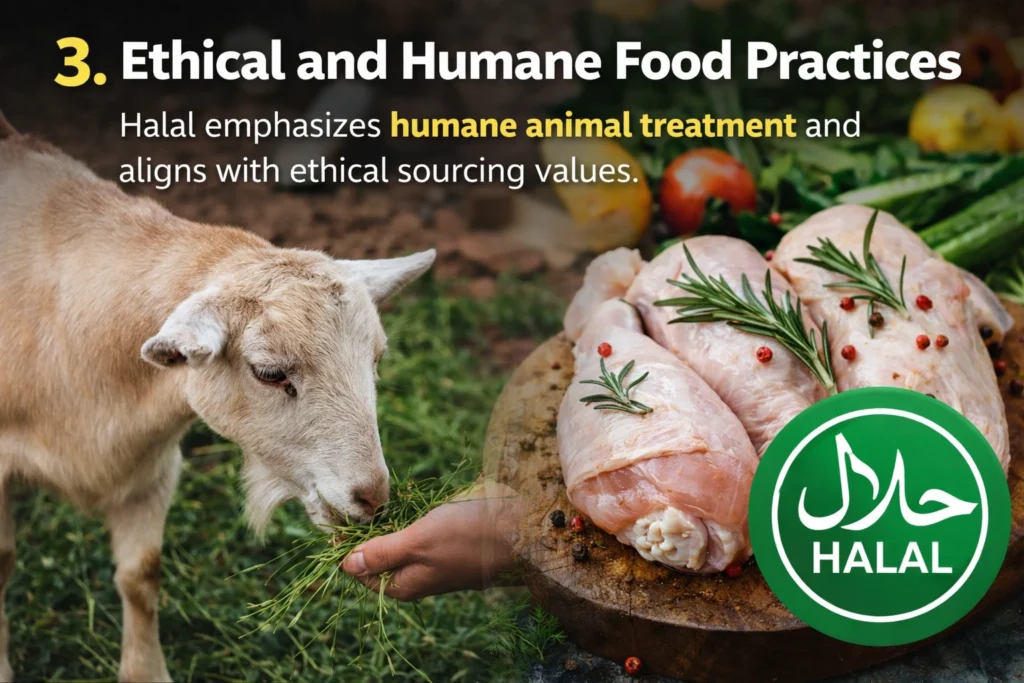
To qualify as halal food, the animal must be healthy at the time of slaughter. The slaughter must be performed by a practicing Muslim using a specific humane method, and the blood must be fully drained from the carcass. The meat must then be handled separately from non-halal products to maintain purity.

Beyond meat, halal standards can apply to sauces, flavourings, packaged foods, and even restaurant preparation environments. That’s why certification matters and we’ll cover that next.

What Does “Halal Certified” Actually Mean?

When you see “halal certified,” it means a third-party certification body has inspected and verified the entire supply chain from farm to fork to ensure compliance with halal requirements.

Halal certification typically guarantees:

  • The animal was alive and healthy at slaughter
  • The slaughter process followed Islamic guidelines
  • No pork, alcohol, or prohibited additives were used
  • No cross-contamination occurred during processing
  • Proper storage and handling procedures were followed

For consumers, this provides confidence and transparency. You’re not guessing you know exactly how your food was sourced and prepared.

At The Kabab Shoppe, every location operates with 100% certified halal meat. This commitment applies across Pickering, Whitby, Oshawa, and the upcoming Brampton location. It’s not just a label it’s a supply-chain standard upheld daily.

If you’re searching for a halal restaurant Ontario residents can trust, certification should always be the first thing you look for.

Why Is Halal Food So Popular Right Now?

Why Is Halal Food So Popular Right Now

Halal food is no longer just a religious requirement it’s a culinary movement.

Walk into any busy food plaza in Pickering or Oshawa and you’ll notice something: halal food lineups include people from every background. So why the surge in popularity?

1. Transparency & Ethical Standards

Many non-Muslim diners are drawn to halal food because of its strict sourcing requirements. The health-at-slaughter rule and humane processing standards provide reassurance about meat quality.

2. Incredible Flavour

Halal cuisine often reflects Afghan, Pakistani, Middle Eastern, and South Asian traditions — cultures known for bold spices, long marinades, and charcoal grilling.

A properly made Chaplee Kabab ground beef seasoned with coriander, cumin, garlic, and green chilli grilled over open flame delivers layers of flavour you simply don’t find in typical fast food.

3. Social Media Influence

Food culture on Instagram and TikTok has spotlighted sizzling skewers, fragrant rice dishes, and beautifully plated halal bowls. Once people try it, they come back.

4. Growing Availability

As more establishments open, finding a halal restaurant Ontario-wide has become easier than ever. Durham Region in particular has seen rapid growth in halal dining options.

Is Halal Food Healthier?

One of the most common search questions about halal food is whether it’s healthier than conventional food. The honest answer: it depends on preparation but there are meaningful differences.

Blood Drainage

Halal standards require complete blood drainage, which many food scientists note can reduce bacterial growth and potentially improve freshness.

Animal Health Requirements

The animal must be healthy at the time of slaughter, adding an extra quality checkpoint.

Cooking Methods

Many halal dishes rely on grilling, roasting, and marinating rather than deep frying. A plate of shish kabab with rice and salad is balanced, protein-rich, and satisfying.

At The Kabab Shoppe, fresh ingredients and locally sourced produce elevate the quality even further. When halal food is prepared with care, it can be both indulgent and nourishing.

Halal Food Is Not a Cuisine It’s a Standard

A common misconception is that halal food refers to one specific cuisine. In reality, halal is a preparation standard not a flavour profile.

Under that standard, you’ll find:

  • Afghan kababs
  • Pakistani curries
  • Middle Eastern wraps
  • South Asian rice dishes
  • Fusion halal burgers

Afghan cuisine, which anchors The Kabab Shoppe’s menu, blends Central Asian and Middle Eastern influences. Expect:

  • Tender charcoal-grilled kababs
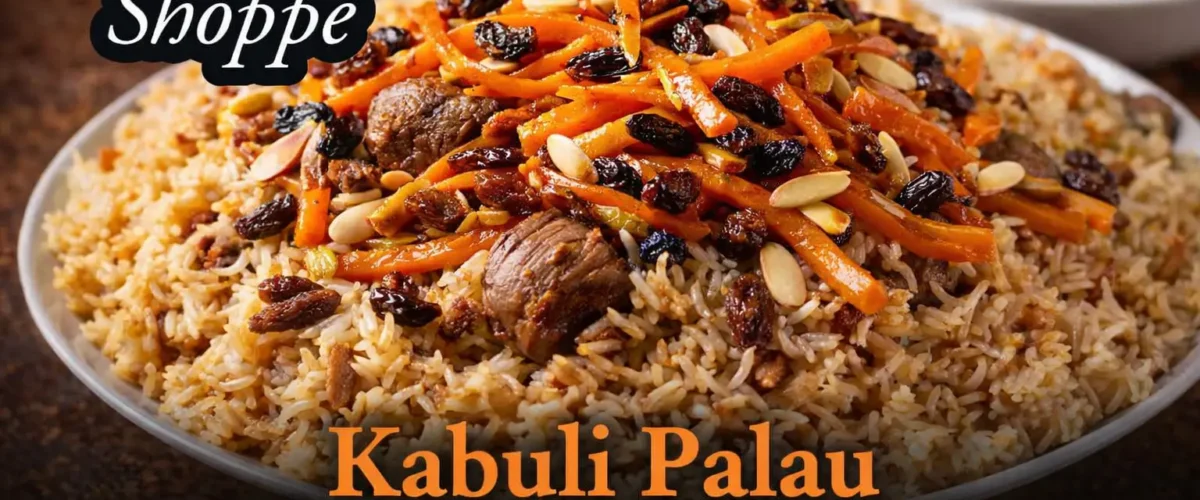
  • Kabuli Palau (slow-cooked rice with raisins and carrots)
  • Butter Chicken with rich tomato cream sauce
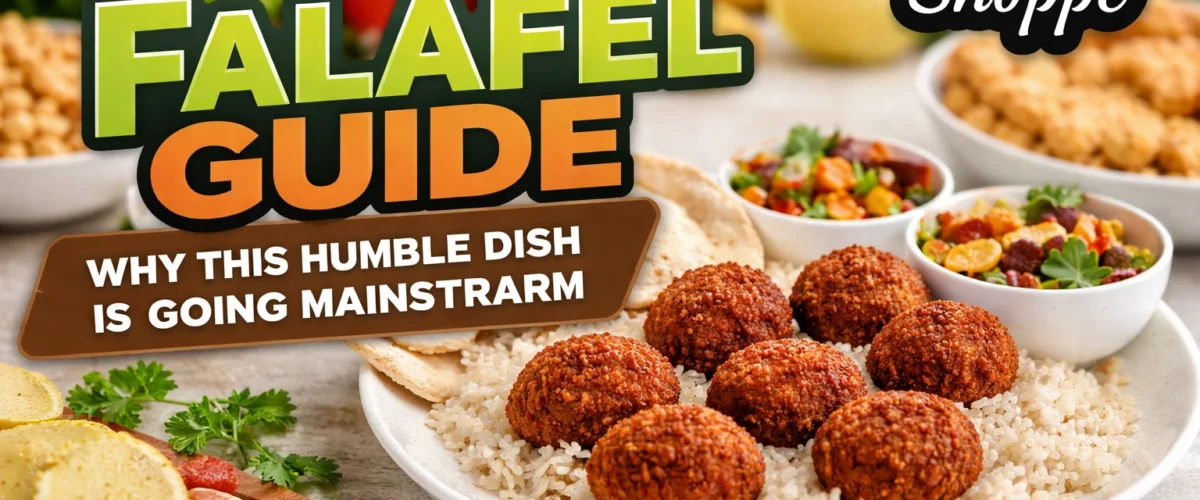
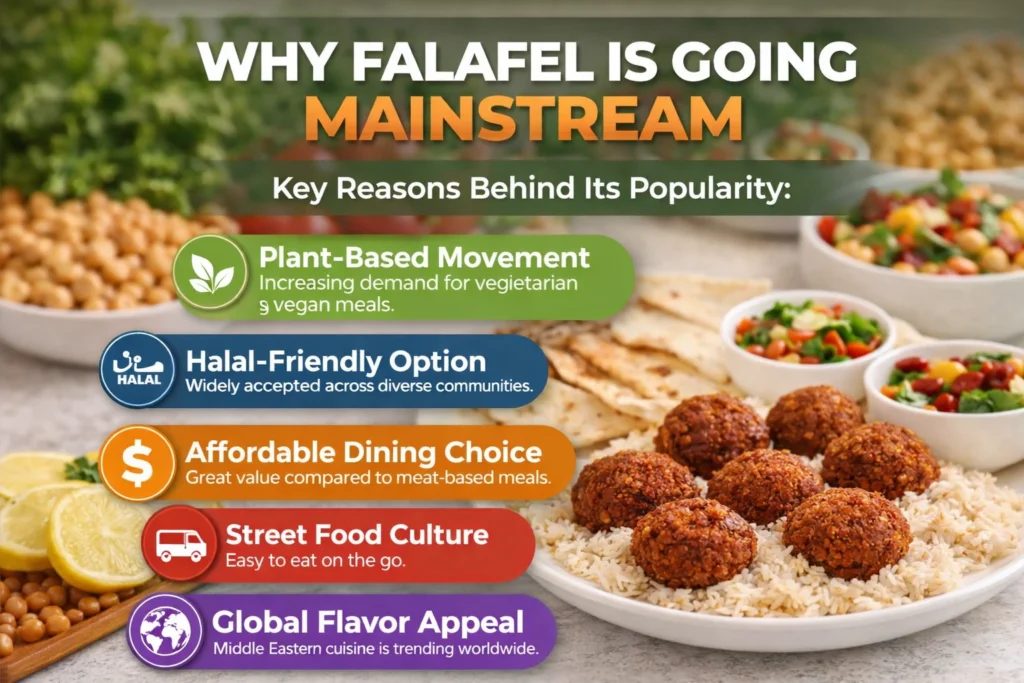
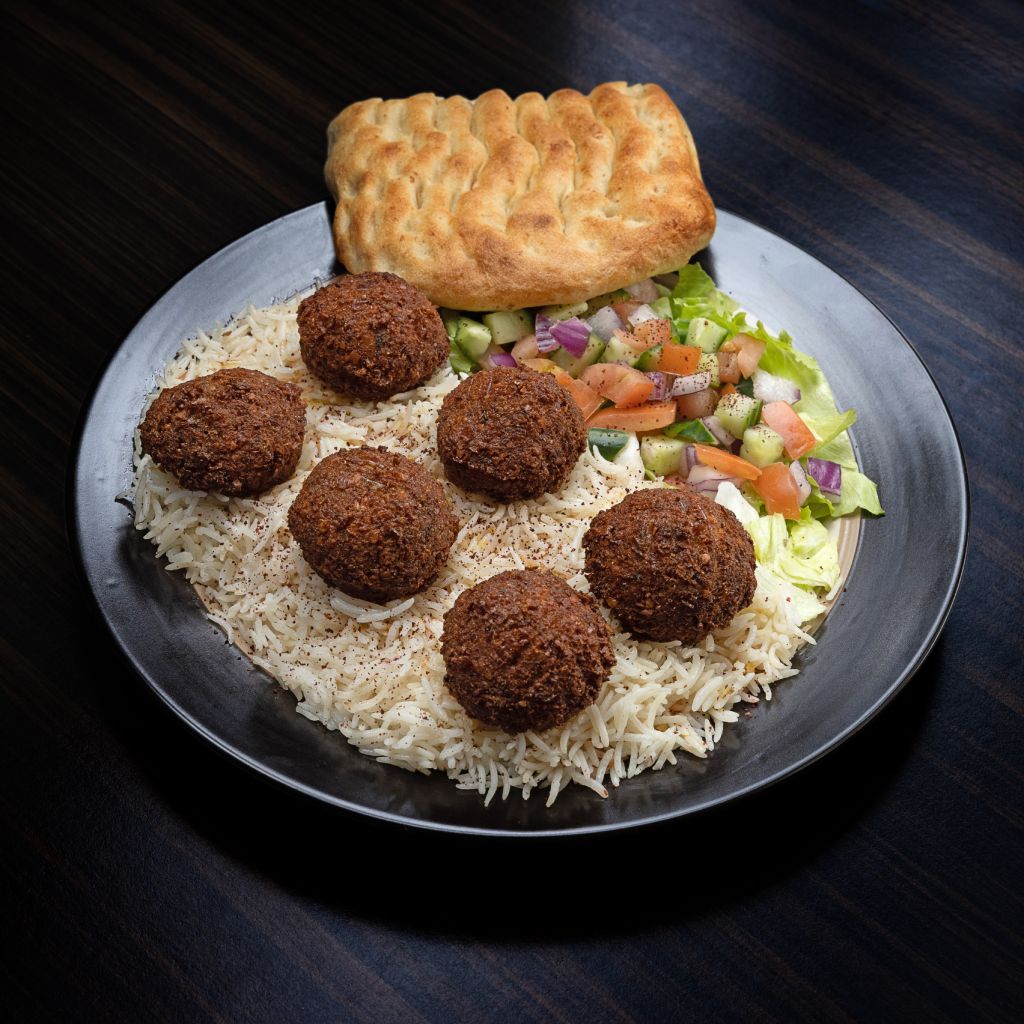
  • Falafel plates with house-made garlic sauce
  • Fresh naan baked daily

This diversity is part of what makes halal food so exciting there’s something for everyone.

How to Order Halal Food at The Kabab Shoppe (First-Timer Guide)

Visiting for the first time? Here’s a simple roadmap.How to Order Halal Food at The Kabab Shoppe

Start with an Appetizer

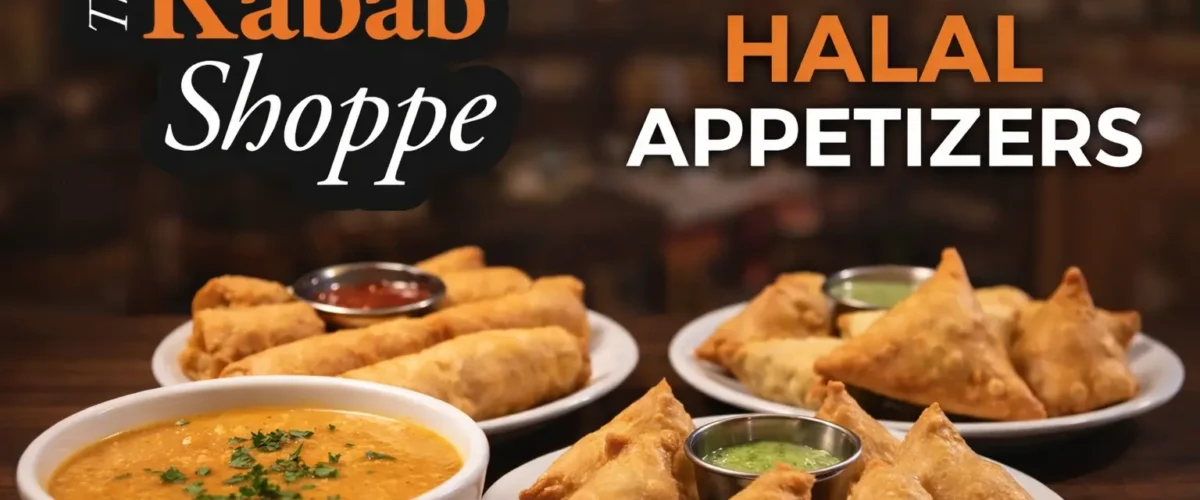
Vegetable Samosas crispy, golden, lightly spiced.
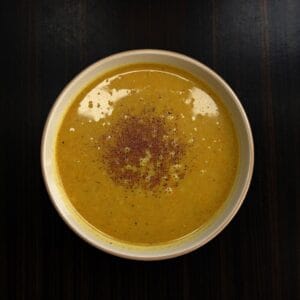
Middle Eastern Lentil Soup warm and comforting.

Build Your Bowl

Choose:

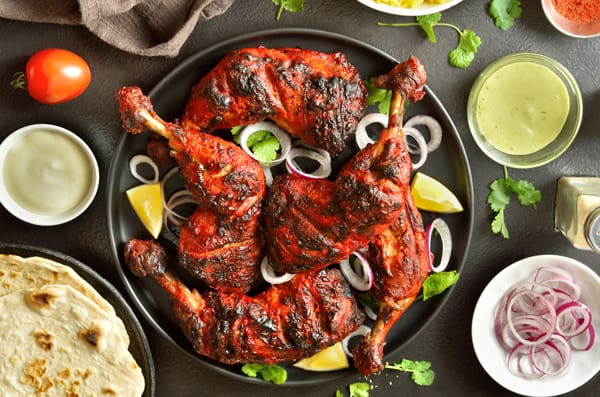
  • Protein: Tandoori Chicken or Shish Kabab
  • Base: Rice, salad, or fries
  • Sauce: Garlic sauce (customer favourite), spicy, or signature house blend

Sharing with Friends?

The Mix Grill for Two includes:

  • Tandoori Chicken
  • Chicken Breast
  • Two Shish Kababs
  • Large rice
  • Salad
  • Two naan

It’s one of the best-value spreads at any halal restaurant Ontario diners frequent.

Save Room for Dessert

Firnee Afghan rice pudding infused with cardamom and topped with pistachios is a must-try.

The Kabab Shoppe – Pickering

If you’re searching for the best halal food in Pickering, The Kabab Shoppe is a local favourite known for fresh ingredients, bold Afghan flavours, and 100% certified halal meat served daily.

It’s also one of the few spots in Durham Region offering late-night halal options perfect for family dinners, after-work meals, or weekend cravings.

Ordering is easy and convenient. Place your order online at thekababshoppe.ca or download the Kabab Shoppe app on iOS or Android for quick pickup and delivery.

New customers receive $10 off their first order, and you’ll earn 10 loyalty points for every dollar spent redeemable across all Kabab Shoppe locations, including Pickering, Whitby, Oshawa, and Brampton.

Ready to Try the Best Halal Food in Pickering?

If you’re searching for the best halal food in Pickering, The Kabab Shoppe is a local favourite known for fresh ingredients, bold Afghan flavours, and 100% certified halal meat served daily.

It’s also one of the few spots in Durham Region offering late-night halal options perfect for family dinners, after-work meals, or weekend cravings.

Ordering is easy and convenient. Place your order online at thekababshoppe.ca or download the Kabab Shoppe app on iOS or Android for quick pickup and delivery.

New customers receive $10 off their first order, and you’ll earn 10 loyalty points for every dollar spent redeemable across all Kabab Shoppe locations, including Pickering, Whitby, Oshawa, and Brampton. 

FAQs

Is The Kabab Shoppe halal certified?

Yes. Every meat item across all locations uses 100% certified halal meat, verified and documented.

Does The Kabab Shoppe deliver halal food in Pickering?

Absolutely. Pickup and delivery are available via the website and mobile app.

What’s the difference between halal food and regular food?

Halal food follows strict religious and ethical guidelines regarding sourcing, slaughter, and preparation. The result is traceable, transparently prepared meat.

Does The Kabab Shoppe offer catering?

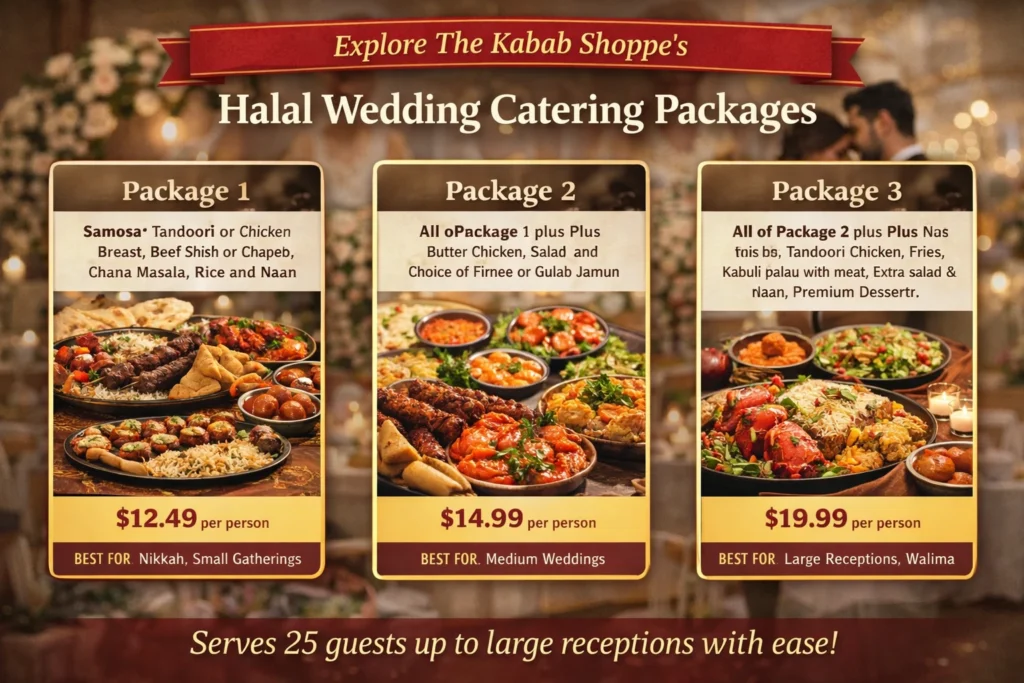
Yes. Catering packages start at $12.49 per person for groups of 25+. A food truck is also available for events.

5 Different Types of Kababs You Need to Try blog image

5 Different Types of Kababs You Need to Try

When it comes to Middle Eastern cuisine, kababs stand out as a beloved favorite. Known for their rich flavors and variety, kababs are not just a meal; they’re an experience. If you’re on the hunt for a fantastic kabab restaurant or simply want to explore halal food options, here are some delicious types of kababs you absolutely must try.

1. Shish Kabab

Shish kababs are a classic favourite, featuring marinated cubes of meat skewered and grilled to perfection. Typically made with lamb, beef, or chicken, these kababs are often seasoned with a blend of spices that enhances their flavor. Served with fresh vegetables and pita bread, shish kababs are perfect for a hearty meal. If you’re looking for a kabab restaurant that serves authentic shish kababs, look no further!

2. Seekh Kabab

Originating from South Asia, seekh kababs are made from minced meat that is seasoned with spices and herbs, then molded onto skewers and grilled. The result is a juicy, flavorful kabab with a slightly crispy exterior. Seekh kababs can be made with beef, chicken, or even vegetables, making them a versatile option for different dietary preferences. Pair them with mint chutney for a refreshing kick!

3. Adana Kabab

Named after the city of Adana in Turkey, this kabab is known for its spicy flavor. Made from minced lamb mixed with red pepper and spices, adana kababs are grilled on long skewers. They’re often served with rice, grilled vegetables, and a side of flatbread. If you enjoy a bit of heat in your food, adana kababs are a must-try!

4. Kofta Kabab

Kofta kababs are made from ground meat—often a combination of beef and lamb—mixed with spices, onions, and herbs. The mixture is shaped into balls or patties and then grilled or baked. These kababs are juicy and flavorful, making them a popular choice in many kabab restaurants. Serve them with a side of yogurt sauce for an added layer of flavor.

5. Tandoori Kabab

Tandoori kababs are marinated in yogurt and spices, giving them a distinct flavor profile. Cooked in a traditional clay oven, or tandoor, these kababs are infused with smoky flavors that make them irresistible. Whether made with chicken, fish, or paneer, tandoori kababs are sure to please anyone who loves aromatic and flavorful dishes.

With so many different types of kababs to choose from, there’s no shortage of flavors and experiences to explore. Whether you’re visiting a kabab restaurant or trying your hand at making them at home, each variety offers a unique taste of Middle Eastern cuisine. For the best kababs made with fresh, locally sourced ingredients, check out The Kabab Shoppe. Your taste buds will thank you!

We have locations in Oshawa, Pickering, and Whitby.