Inside the Kabab Shoppe Food Truck —Your Event on Wheels
 TKS Team
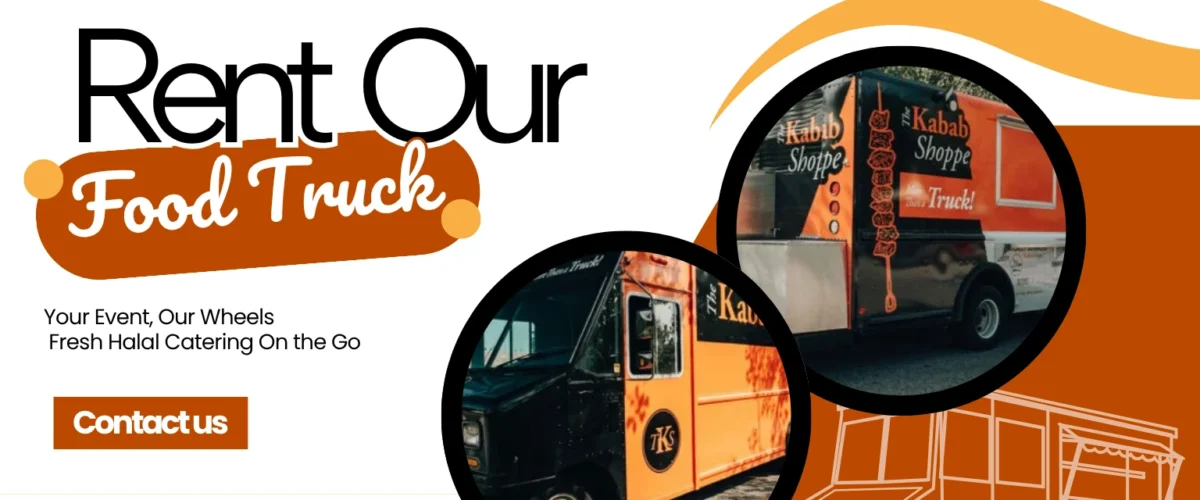
Your Event, Our Wheels — Let’s Cook Up Something Special
Imagine bringing a full-service kitchen, sizzling grills, and irresistible aromas directly to your event—this is exactly what the Kabab Shoppe Food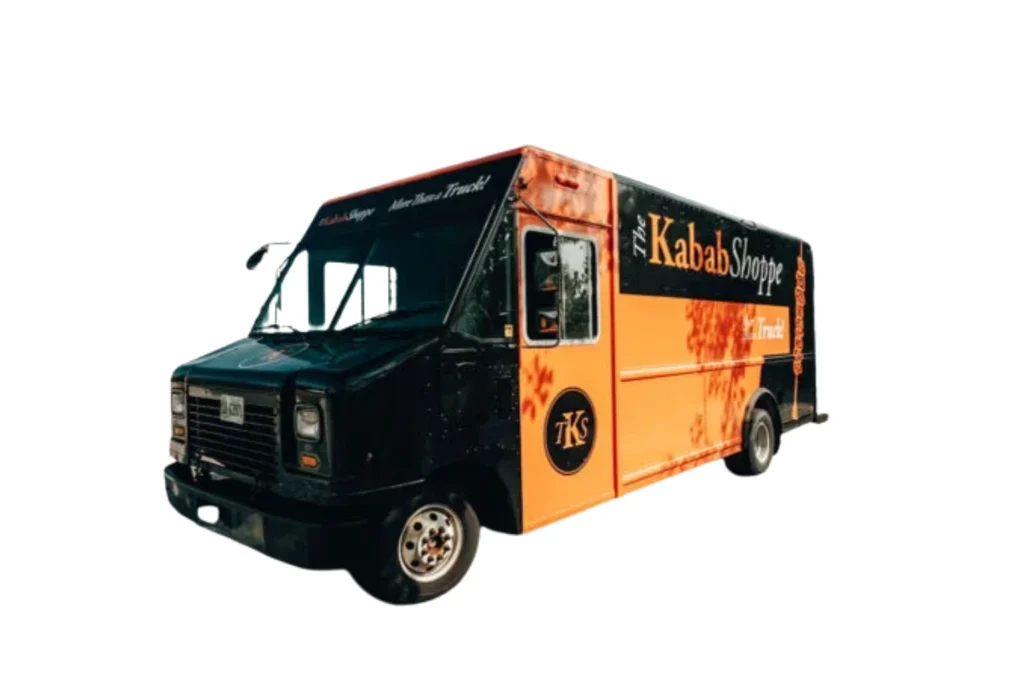 Truck delivers. Whether it’s a corporate gathering, wedding celebration, or private party, this mobile catering experience transforms ordinary events into unforgettable moments. The concept blends convenience with culinary excellence, ensuring guests enjoy fresh, hot, and flavorful meals on the spot. With growing demand for food truck catering services, this solution stands out for its flexibility and quality. If you’re searching for a unique and stress-free way to serve food, this is where your perfect event begins.
The Kabab Shoppe Food Truck offers a dynamic and personalized catering experience tailored to your needs. From setup to service, everything is handled professionally so you can focus on your guests. The team works closely with you to design menus that reflect your taste and event style. With a reputation for delivering fresh halal catering and exceptional service, they make every occasion seamless. This approach ensures your event stands out while keeping planning simple and efficient.
Custom Menus Tailored to Your Event
When it comes to catering, one size never fits all, and that’s why customized menus are at the heart of this service. Every event is different, and the Kabab Shoppe team ensures your menu reflects your preferences, dietary needs, and theme. From traditional kababs to modern fusion dishes, the variety keeps guests excited and satisfied. This flexibility makes it ideal for weddings, birthdays, and corporate catering alike. With a focus on custom food truck catering, every dish is crafted to impress.
Clients can choose from a wide range of options to build the perfect menu:
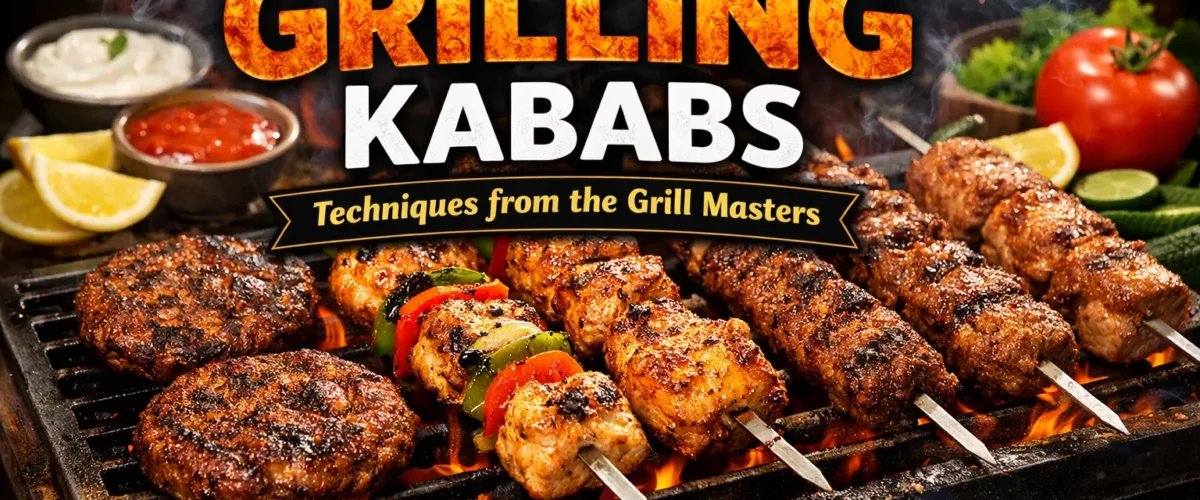
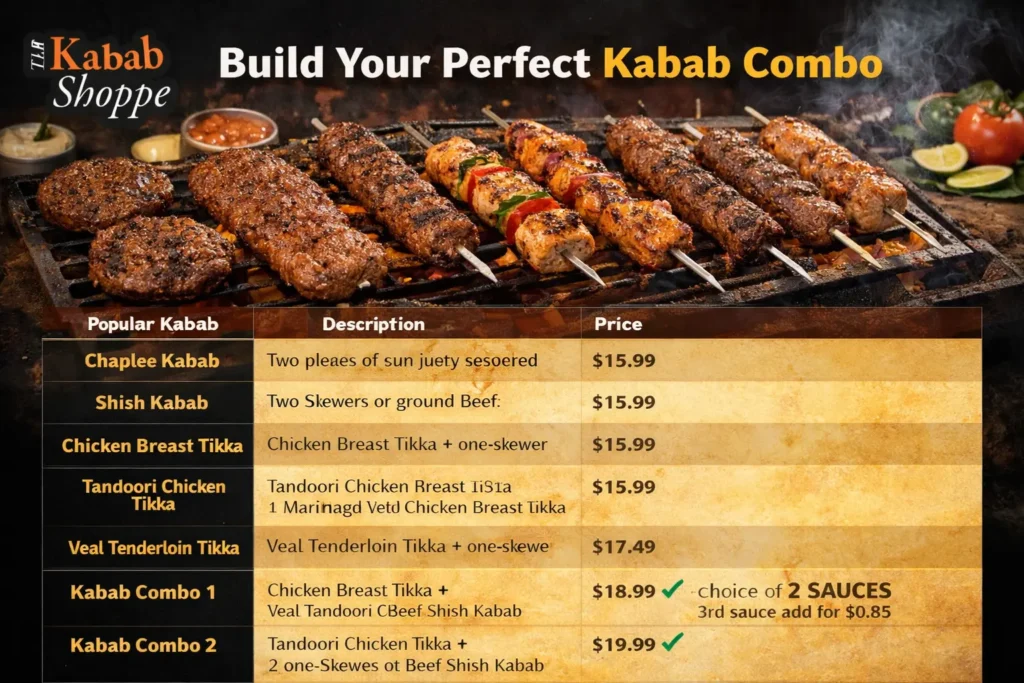
- Grilled kababs and skewers
- Flavorful curries like butter chicken
- Vegetarian options like chana masala
- Fresh naan and rice combinations
- Delicious desserts such as gulab jamun and firnee
This variety ensures there’s something for everyone while maintaining consistent quality and taste.
On-the-Go Dining Experience
A food truck brings energy and excitement that traditional catering often lacks. Guests can interact with chefs, watch their meals being prepared, and enjoy food fresh off the grill. This creates a lively and engaging atmosphere that enhances the overall event experience. The concept of mobile catering services is not just convenient but also highly memorable. It turns dining into entertainment, making your event stand out.
The Kabab Shoppe Food Truck is designed for efficiency and quality service. Despite being mobile, it operates like a fully equipped kitchen capable of handling large crowds. Quick service ensures guests are served hot meals without long waits. This makes it perfect for both small gatherings and large-scale events. The result is a seamless blend of speed, quality, and enjoyment.
Perfect for Any Occasion
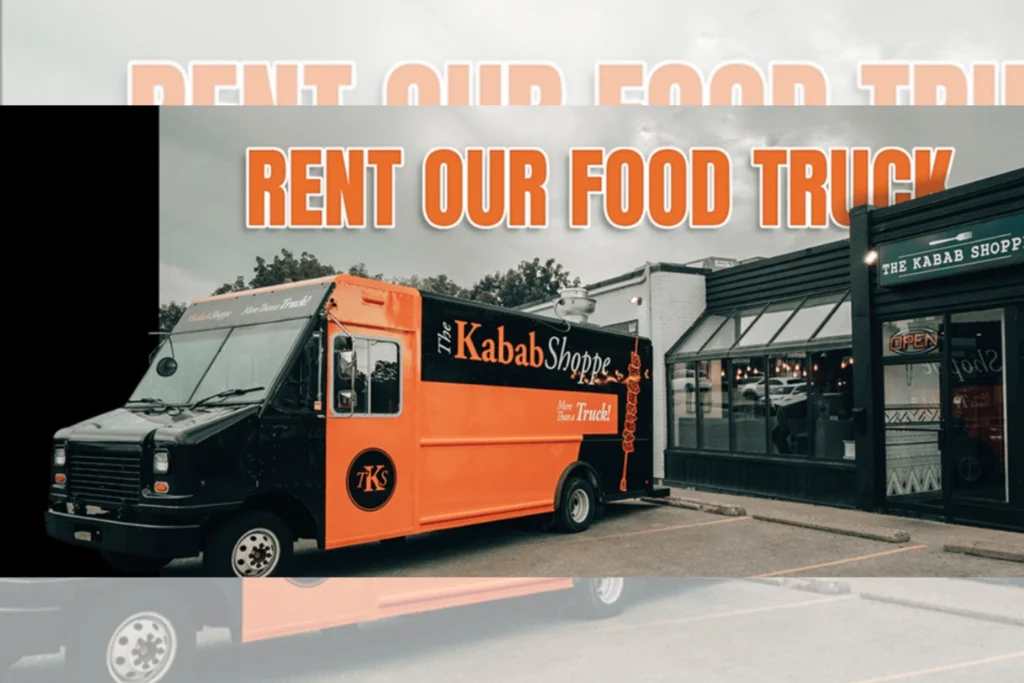
From intimate backyard parties to large corporate events, this food truck adapts effortlessly to any setting. Its versatility makes it a preferred choice for clients looking for reliable and professional catering solutions. Whether indoors or outdoors, the setup is flexible and efficient. This makes it a top choice for event catering services that require adaptability. No matter the occasion, the experience remains consistent and high-quality.
Here are some events where the Kabab Shoppe Food Truck shines:
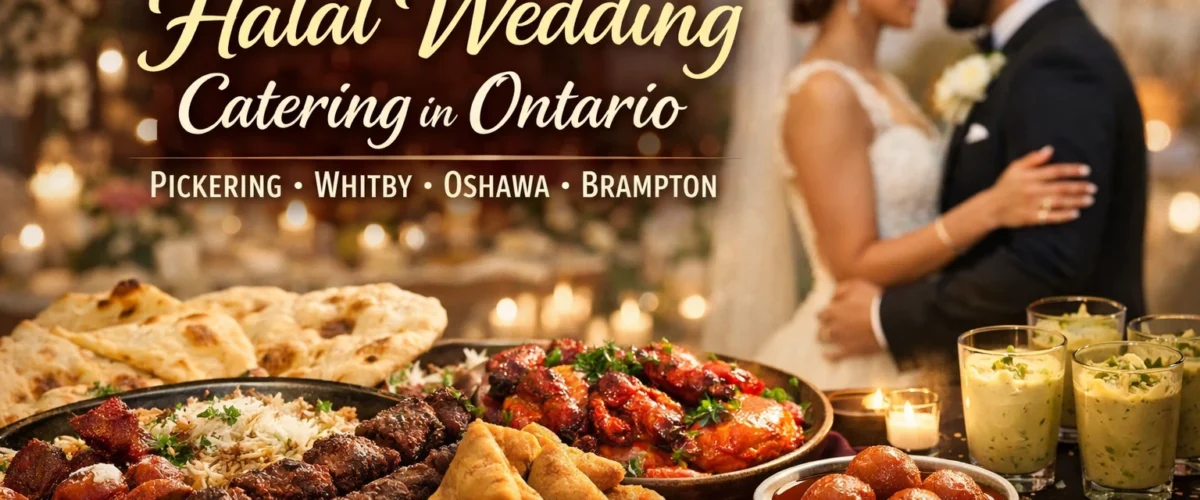
- Weddings and receptions
- Corporate events and office lunches
- Birthday parties and family gatherings
- Festivals and community events
- School and university functions
This flexibility ensures your catering needs are met with excellence every time.
Handcrafted, Freshly Made, Locally Sourced Kababs
At the core of the Kabab Shoppe experience is a commitment to quality ingredients and authentic flavors. Every dish is prepared using fresh, locally sourced produce and premium meats. The use of aromatic spices enhances the taste, creating rich and memorable flavors. This dedication ensures that every bite reflects authenticity and excellence. For those seeking fresh halal kababs, this is a trusted choice.
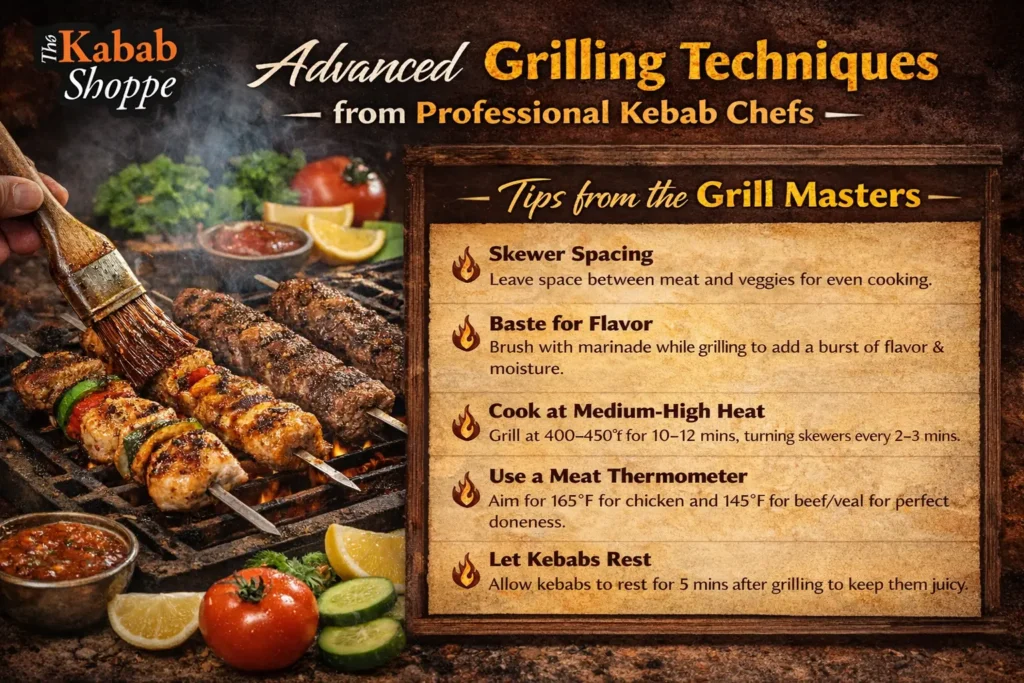
The preparation process emphasizes freshness and craftsmanship. Meals are cooked on-site to maintain flavor and texture. The team prioritizes hygiene, quality, and consistency in every order. This commitment results in food that not only tastes great but also meets high standards. It’s a combination of tradition and quality that keeps customers coming back.
Catering Menu & Packages
Planning a large event becomes easier with structured catering packages designed for convenience and value. The Kabab Shoppe offers a variety of trays and packages suitable for different group sizes and preferences. Each package includes a balanced combination of appetizers, main courses, and desserts. This ensures guests enjoy a complete dining experience without the hassle of planning each detail. With competitive pricing, it’s an excellent option for affordable catering packages.
Popular Catering Options
| Item | Quantity | Price |
|---|---|---|
| Chicken Skewers | 10 / 20 | $79.99 / $139.99 |
| Shish Kabab | 15 / 30 | $64.99 / $114.99 |
| Butter Chicken | Small / Large | $49.99 / $84.99 |
| Samosas | 50 / 100 | $30.00 / $50.00 |
| Tandoori Rice | Small / Large | $49.99 / $74.99 |
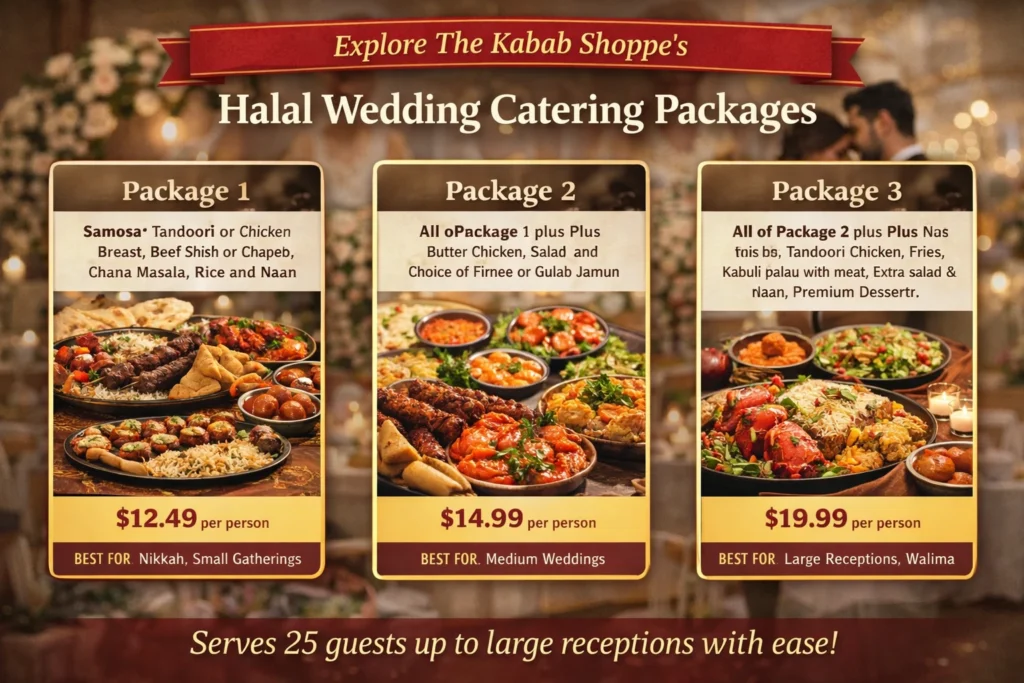
Event Packages (Min. 25 People)
- Package 1: Budget-friendly essentials
- Package 2: Expanded menu with desserts
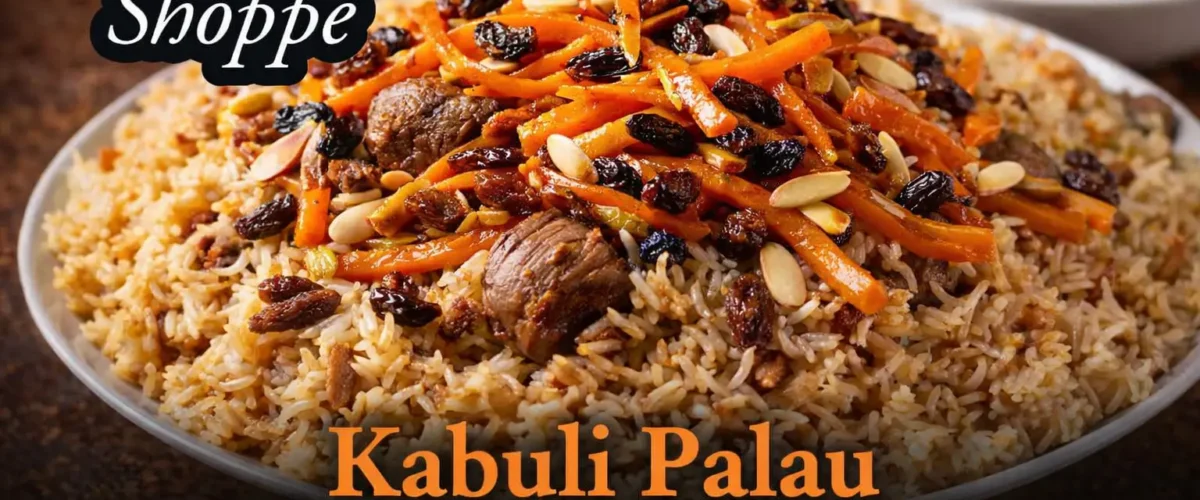
- Package 3: Premium selection with kabuli palau and more
These options make it easy to choose a package that fits your event size and budget.
Ready to elevate your next event
Ready to elevate your next event with unforgettable flavors and a unique dining experience? Choose the Kabab Shoppe Food Truck for premium food truck catering, fresh halal dishes, and stress-free service. Contact us today to customize your menu and book your date. Let’s turn your event into something truly special—because great food creates lasting memories.
FAQs
1. What types of events can the Kabab Shoppe Food Truck cater?
It caters to weddings, corporate events, parties, festivals, and more.
2. Is the food halal?
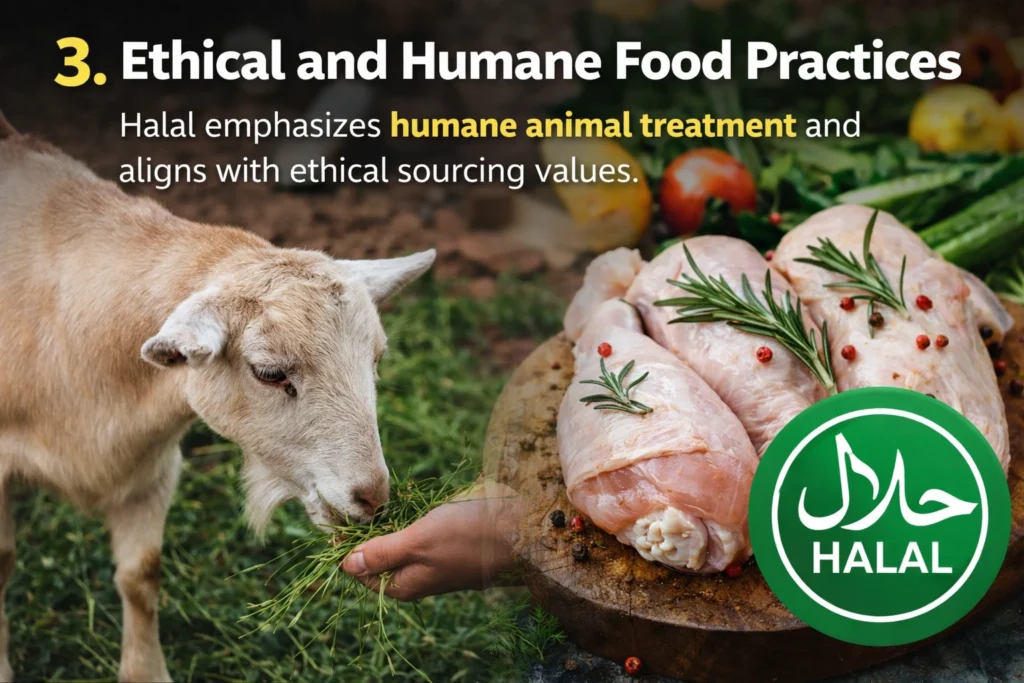
Yes, all meats are 100% certified halal.
3. Can I customize the menu?
Absolutely, menus are fully customizable to suit your event.
4. What is the minimum number of guests for packages?
Most packages require a minimum of 25 people.
5. Do you provide on-site cooking?
Yes, all food is freshly prepared on-site for the best experience.
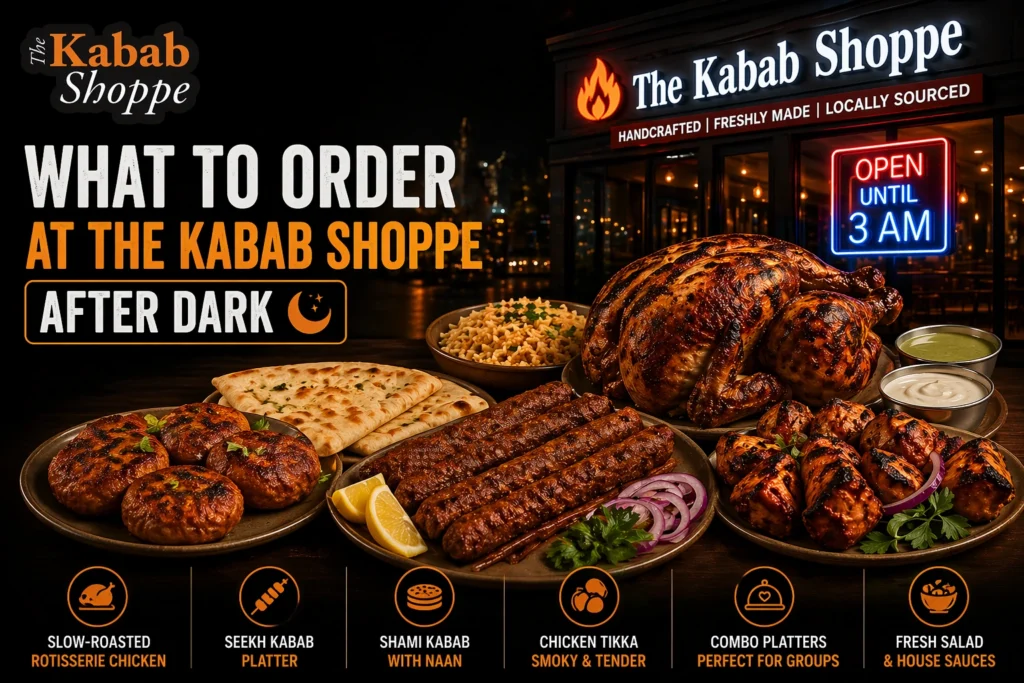 not a sad approximation of a meal. The Kabab Shoppe’s menu was designed with exactly that in mind.